
Single-use plastics
Our seas are facing climate and biodiversity crises, partly fuelled by the single-use plastic problem. We've got to switch to using more sustainable products, and UK governments need to do more to bring in legislation that bans single-use plastic being produced.
The problem
Our Beachwatch data shows thousands of single-use plastic items are found on UK beaches each year.
1,192
litter surveys submitted in 2025
11.4
tonnes of litter removed from beaches
24, 938
volunteers hours spent cleaning and recording litter
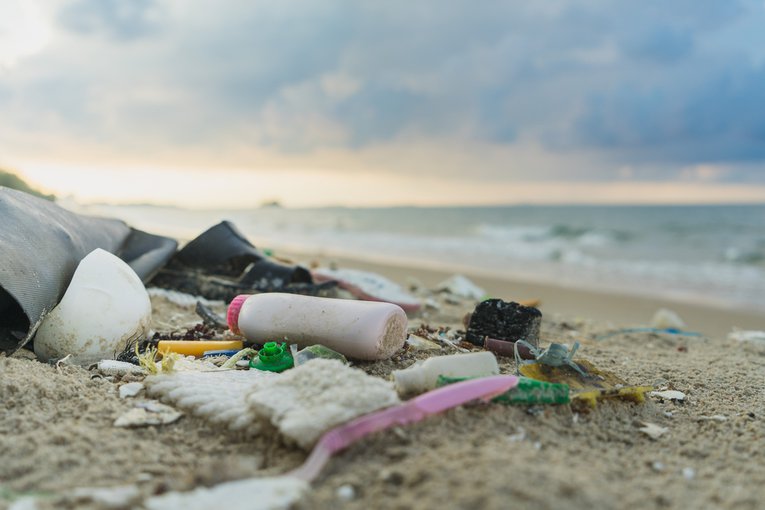
Credit: AfriramPOE via Shutterstock
Plastic products themselves aren't the only part of the problem. With the shift away from fossil fuel as an energy source, chemical companies are switching to extracted oil and gas to produce plastic. This switch is producing increased amounts of chemicals which often end up polluting our ocean. Product design needs to take into account the carbon, plastic and chemical footprint - particularly when it comes to the use of ‘forever chemicals’.
We want all UK nations to go further than the EU Single-Use Plastics Directive. We campaigned for a ban on plastic wet wipes but we need more bans on items such as cigarette filters. We also want correct labelling of these products - including biodegradability and other 'green claims'.
What's happening in England
Bans in place
In October 2020, England banned single-use plastic cotton buds, stirrers and straws.
In January 2023, the UK Government finally confirmed that England will introduce a ban on single-use items including plastic plates, trays, bowls, cutlery, balloon sticks, and certain types of polystyrene cups and food containers. The ban was introduced in October 2023. Regulations to ban plastic in single-use wet wipes were passed in 2025 and is due to be implemented in May 2027.
Deposit Return Scheme
Also in January 2023, the UK Government unveiled its plans to introduce a Deposit Return Scheme (DRS) in England by 2025. This scheme in England will include plastic bottles and lids, and aluminium cans, but excludes glass and is due to start in October 2027.

Credit: Rich Carey via Shutterstock
We’re calling for the government to set targets for reuse and to take steps towards a Circular Economy. We are awaiting the Circular Economy Growth Plan which we hope will move England to a society with reuse at its heart.
What's happening in Scotland
Bans in place
Scotland has banned the manufacture and sale of microbeads and single-use plastic cotton buds and in April 2021, increased the plastic carrier bag charge to 10p. From 1st June 2022, Scotland implemented a ban on some of the most problematic single-use plastics. Regulations were also laid in Holyrood in February 2026 to ban plastic in single-use wet wipes following campaigning and the use of Beachwatch data with an implementation date set for August 2027.
Bans being discussed
The Scottish Government has committed to meet, or go further than, the Single-Use Plastic (SUP) Directive. We’ll be holding them to this.

Credit: Natasha Ewins
Deposit Return Scheme
Scotland's Deposit Return Scheme is now due to be implemented along with the rest of the UK in October 2027 and will include plastic bottles and cans. We will be calling for additional materials to be added in the future and to ensure the scheme is set up to include refillable options.
Circular economy
We welcomed the passing of the Circular Economy (Scotland) Act and the publication of the Circular Economy and Waste Route map in December 2024 and the Circular Economy Strategy in 2026.
What's happening in Wales
Bans in place
The Environmental Protection (Single-use Plastic Products) (Wales) Bill was passed by the Senedd in December 2023 and includes items such as plastic cotton bud sticks, thin plastic carrier bags, and products made of oxo-degradable plastic. Phase Two of the single use plastic bans which would include banning single use plastic bags is due in 2026.
Regulations to ban plastic in single use wet wipes was passed in 2025 and is due to be implemented in December 2026.

Credit: Triocean via Shutterstock
Deposit Return Scheme
In February 2026 the Welsh Government received an exclusion via the UK Internal Market Act to include glass in their DRS and will include trials for reuse with industry. This means the Wales DRS will start in October 2027 along with the other UK nations and include plastic, metal and glass.