

Valentine's Day: Marine life edition
To celebrate Valentine’s Day, we’re taking a look at some of the most romantic species in UK waters – alongside a species that prefers to be alone.
These marine marvels express their affection in unique and fascinating ways. Let's dive into their extraordinary love lives!
The Dancers: Seahorses
Seahorses' love story begins with a mesmerising dance ritual. Each morning, paired seahorses greet each other with synchronised head-bobs and gentle nudges, followed by a sophisticated dance that can last for hours. Unlike us humans, it's the males who then carry offspring.

Credit: Georgie Bull
The Faithful Lovers: Puffins
These adorable birds are serious romantics at heart. Puffins mate for life and return to the same breeding colonies year after year, where they engage in elaborate courtship rituals. Males puff out their chests, present gifts of beaks full of fish, and even engage in playful "beak-fencing" duels to impress potential mates. Once paired, they work together to raise their chicks, sharing incubation and chick-rearing duties.
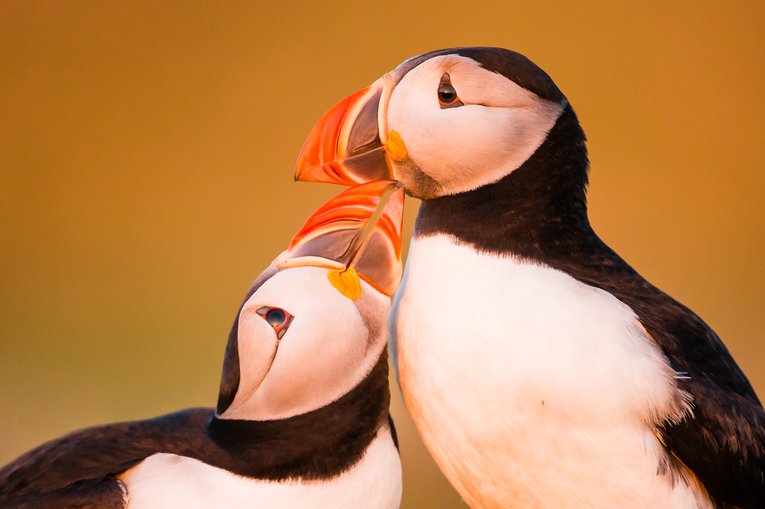
Credit: Kevin Morgans
The Songwriters: Humpback Whales
Male humpback whales woo females by performing elaborate underwater concerts that travel for miles across the ocean. Humpback whale songs are incredibly complex, composed of units, phrases, and themes woven together. Each song evolves over time, becoming increasingly intricate and unique.
The Risk Takers: Octopuses
Many species of octopus live solitary lives, and mating is a risky – often once in a lifetime – business. The males will change colour and sometimes even shape in their attempts to woo a female. When mating, they often keep the female at literal arms-length to try to prevent being eaten by the female, although this tactic isn’t always successful.
Whilst looking after her eggs, the female’s body begins to decline, and they often die shortly after the eggs have hatched. Not quite a happy ending for this marine animal!

Credit: James Lynott
The UK's seas are full of rich wildlife who call our British coast their home. However, the fragile ecosystems that they live in are in urgent need of protection and restoration. We’re fighting for the health of our ocean, but we need your support.