The UK Government’s new vision for water
The UK Government has published its Water White Paper, which sets out their proposals for future legislation for the water industry and wider water system in England.
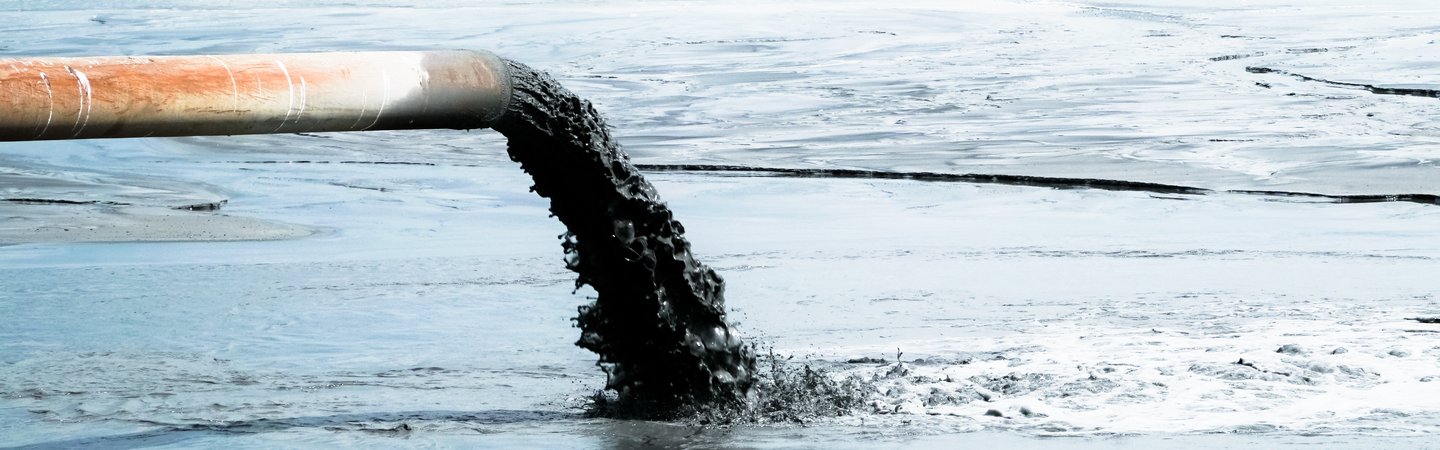
We, alongside other organisations, have repeatedly highlighted the harm of untreated sewage to our seas, lakes and rivers, the wildlife they support and to the people that use them.
In 2024 alone, there were more than 450,000 releases of untreated sewage into England’s waters, releasing a cocktail of bacteria and chemicals into our seas.
The Water White Paper marks a major milestone following the Independent Water Commission’s final report in July 2025 and years of public pressure.

Credit: Andrei Metelev/Shutterstock
Does this White Paper show the ambition needed?
The Water White Paper moves us forward - but not far enough.
On the surface, the Paper reflects many of the reforms that we’ve long called for, including:
- Commitments to longer term planning across the wider water system
- A shift towards ‘pre-pipe’ solutions which stop pollution at source, and future-proofing water legislation to adapt to changing pressures such as chemical pollutants like PFAS and microplastics
- Establishing a new Integrated Water Regulator that protects public health and the environment
But dive a little deeper, and too many of these commitments have been made before, falling short of the bold action that is desperately needed to protect our seas.
Longer term planning

Credit: Catherine Gemmell
Pre-pipe solutions and chemical pollution
The White Paper mentions focussing on ‘pre-pipe solutions’ that stop pollutants from entering the water system in the first place – something we’ve long been campaigning for.
However, bolder ambition is needed across a wider range of pollutants. The UK Government must ensure there is a coherent approach to stop pollutants entering the water system, including an Extended Producer Responsibility (EPR) Scheme to ensure that polluters, rather than bill payers, pay for the cost of improved sewage treatment, environmental clean-up and monitoring.
Only 19% of estuaries and 45% of coastal waters in England are currently considered to be in Good Ecological Status, and no water bodies meet Good Chemical Status.
We must see routine monitoring of a wider range of emerging pollutants such as chemicals and microplastics, as well as legislation to stop the most problematic pollutants, such as a universal PFAS restriction.
There is also a lack of clarity in the Paper on how the Government would address the impact of chemical pollution on our waters.

Credit: David Dixon
A new Integrated Water Regulator
Replacing the current fragmented system with a new Integrated Water Regulator has the potential to deliver a stronger, more proactive water system, and make it easier to direct investment where it is most urgently needed.
However, while one of the regulator’s stated objectives is to ‘protect public health and the environment’, this stops short of a clear, legal environmental duty. Without that, there is a real risk that economic decisions will outweigh environmental protection.

Credit: Jaz Blakeston-Petch
What’s next?
In the coming months the UK Government will publish a Transition Plan to start future planning, alongside drafting the Water Bill.
We’ll be working with the UK Government, regulators and stakeholders to push for stronger protections for our coastal waters, and the new Water Bill provides us with an opportunity to push forward much needed legislation to tackle pollution at source.