
Sea creatures named after land animals
In celebration of World Wildlife Day on 3rd March, we’re shining a light on the incredible diversity of life in our seas. Here, we take a closer look at some marine species that share their names with animals you’d typically expect to find on land, not underwater.
Porcupinefish
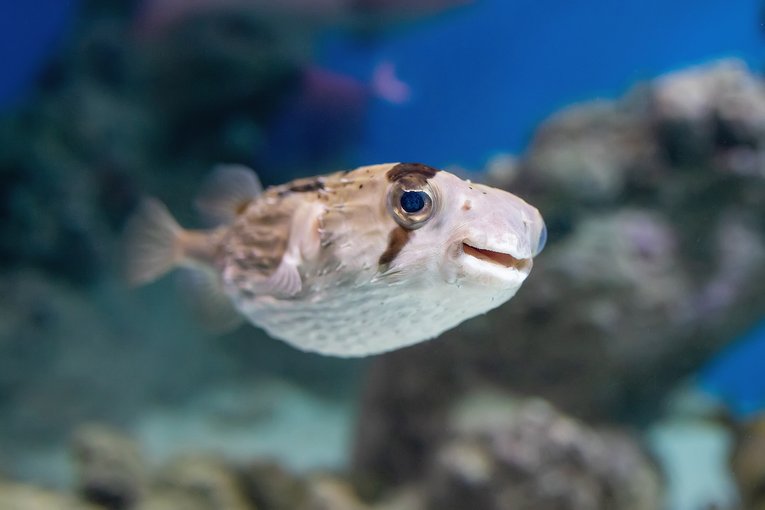
True to their name, porcupinefish share more than just a title with the spiky mammals found on land, as their bodies are covered in long spines that are visible even when deflated. With their sharp spines and rounded bodies, porcupinefish are often mistaken for pufferfish, but these distinctive marine animals have their own unique defences.
Found in subtropical and tropical regions, they prefer areas with plenty of cover, such as caves, reefs and ledges. When threatened, they can bloat dramatically by gulping water into their bodies. This makes them appear much larger and more intimidating to predators. Some porcupinefish species also secrete tetrodotoxin, a powerful toxin that makes them extremely poisonous to eat, even for humans.
Credit: p_anna | Shutterstock
Tiger shark
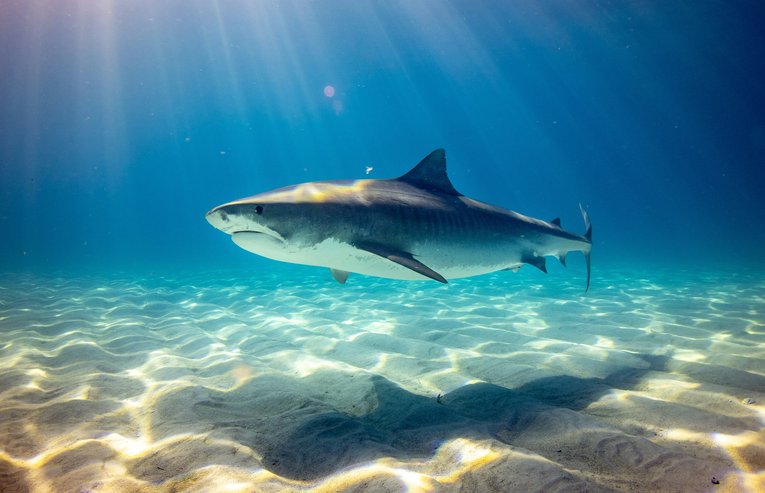
Living up to their bold name, tiger sharks are instantly recognisable thanks to their dark vertical stripes, a pattern that gradually fades as they age. Reaching typical lengths of between 3 to 4 metres, they’re among the largest predatory sharks in the world.
Tiger sharks are a wide-ranging species, found across subtropical and tropical waters and diverse habitats from the open ocean to shallow coastal areas. As generalist predators, they’re known for having the widest food spectrum of any shark and will consume just about anything they can find or capture, including marine litter - which explains their nickname "garbage cans of the sea".
Credit: Gerald Schömbs/Unsplash
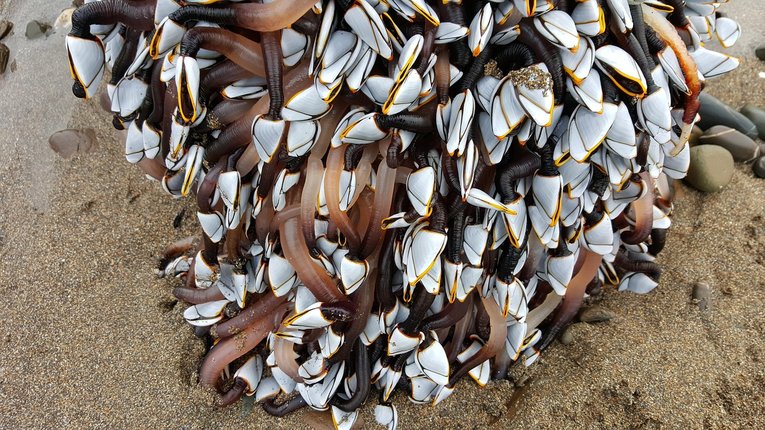
Goose barnacle
Despite the name, goose barnacles have little in common with actual geese. These crustaceans are open-water species often found attached to ships, ropes and floating debris out at sea, and can sometimes be found washed up on the coasts of Britain and Ireland after stormy weather.
Goose barnacles are filter feeders, using their specially adapted legs to filter plankton and nutrients from the water. As they feed, they trap tiny particles and pump out water that’s cleaner than when it went in, removing not just food but also pollutants such as bacteria, chemicals and excess nutrients from the water. Much like geese, they have a habitat of turning up in some surprising places, including American space ship wreckage that washed up in the Isles of Scilly. And it’s not even the only goose-to-space connection: bar-headed geese once had their feathers flown all the way to the International Space Station!
Credit: Pixabay | Brianp3d
Parrotfish
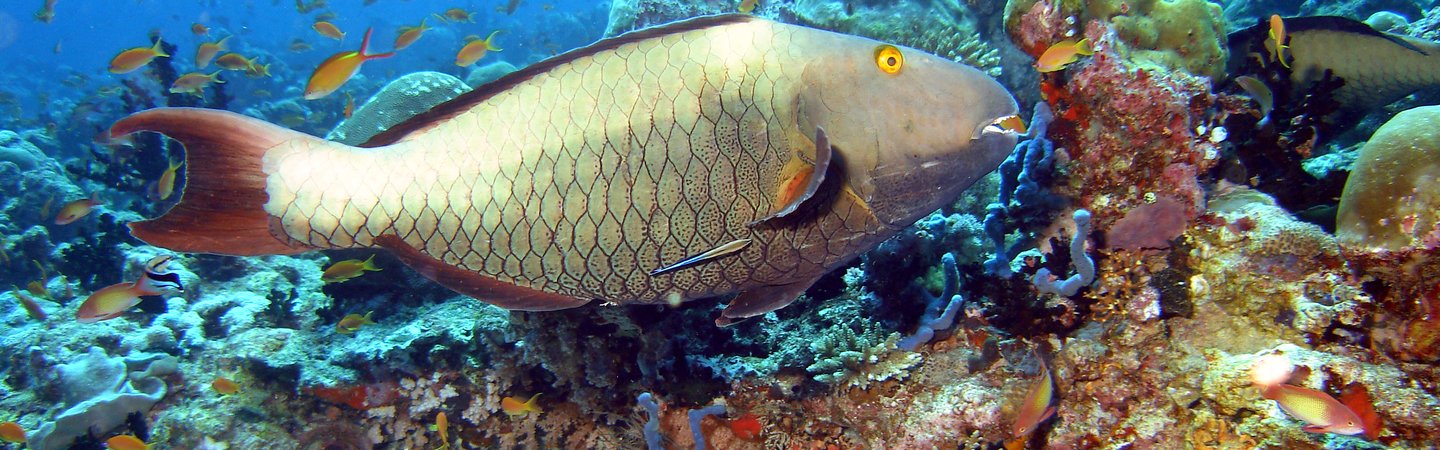
Between their vibrant colours and their unmistakable beak shaped mouths, parrotfish certainly earn their parrot inspired name. These striking reef dwellers spend most of their day grazing on algae that grows on coral reefs - an essential role that keeps corals clean and able to thrive. Their specialised beak-like teeth also help them to create the sand found around many tropical reefs, as rather than being digested, the inorganic material they grind up is excreted back into the environment as fine-grain white sand.

Credit: Jean Luc Solant
Seahorse
Seahorses take a very different approach to parenting compared to their land-based counterparts. Instead of females carrying the young, it’s the male that carries and looks after the eggs in a specialised pouch. There are actually two species that can be found in British waters - the spiny seahorse (Hippocampus guttulatus) and the short snouted seahorse (Hippocampus hippocampus). Remarkably, spiny seahorses can change colour to blend into their surroundings.

Credit: Georgie Bull
Spider Crab
They might share their name with eight-legged creatures you’d never want to see swarming en masse, but spider crabs are behind one of the most remarkable seasonal spectacles in our shallow waters.
Like all crustaceans, spider crabs must shed their hard outer shell in a process called moulting, revealing a new soft shell that expands as they grow. While this new shell is hardening, they become vulnerable to predators. To stay safe, they gather in huge aggregations, sometimes in the thousands, that can be seen in shallow waters around Wales and southwest England during summer and early autumn.

Credit: Martin Stevens
How you can help
These are just a few of the species whose animal-inspired names remind us just how rich and varied our ocean life really is. Each one plays a vital role in keeping marine ecosystems healthy, and celebrating their diversity also means recognising how important it is to protect it. By supporting our work, you can help safeguard these species and the habitats they depend on, ensuring this incredible marine diversity continues to thrive for generations to come.