Positive ocean news: January ’26 edition
From protections for more than half of the world's seas and a 'forever chemical' ban, to rescued dolphins and a boost in whale populations, we've rounded up the latest good news stories for our seas.
Success of marine-focussed community project leads to British Empire Medal
In recognition of her services to the natural marine environment and the communities of North Wales, and the success of the Hiraeth Yn Y Môr project which she led, Ffion Mitchell-Langford, the Marine Conservation Society’s Community Engagement Projects Lead, has received a British Empire Medal (BEM) in the King's New Years Honours List.
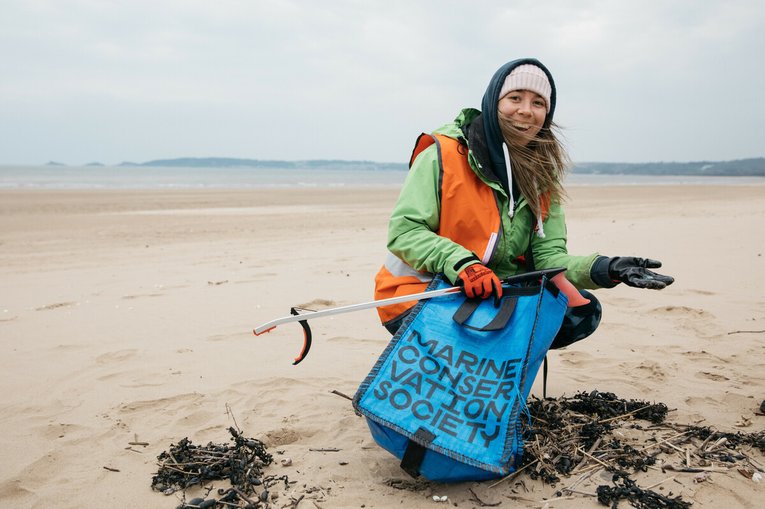
Credit: Harry Flook
Ffion said, "This Honour extends to the incredible community members and colleagues I have the joy of working with, day in and day out.
Taking positive action for our ocean starts at home with those around us, and I feel fortunate for having the opportunity to support others to grow their connection and take action for our coasts and seas.
Ffion Mitchell-Langford, Community Engagement Projects Lead
She will continue her efforts to improve the health of the marine environment and will be driving further impact for people and the sea through our Atlantic Coast Programme.
High Seas Treaty comes into force

Credit: Anastassia Odincova/unsplash
The Treaty has been ratified by 83 countries, helping to create a network of marine sanctuaries across the globe which protects around 60% of the world’s ocean. It will establish a process for creating Marine Protected Areas in international waters and requires states to assess and disclose the environmental impacts of any activities outside their jurisdiction to prevent damaging activities proceeding unnoticed.
Other countries, including the UK, have yet to deliver on their commitments to ratify the Treaty. ENGOs including the Marine Conservation Society, Oceana, Greenpeace and RSPB have signed an open letter urging the UK Government to urgently write this landmark treaty into law.
Increase in number of right whales born this winter
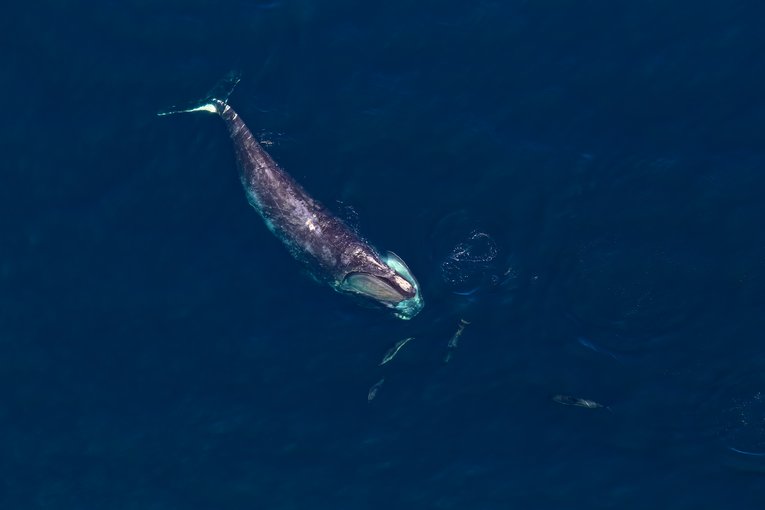
Credit: lego 19861111 / Shutterstock
So far this winter, 15 North Atlantic right whale calves have been born – an encouraging increase for the struggling population.
North Atlantic right whales are one of the most threatened cetaceans on Earth, and it’s thought that around 50 new calves would be needed each year for the population to truly recover.
However, there is hope. By the end of 2024, there were an estimated 384 North Atlantic right whales, a 7% increase from 2020. Some of the mothers entering the breeding pool this winter are first-time mothers, and some are giving birth at shorter intervals.
Every birth counts for this vulnerable population, and these latest figures show that there is still time to secure a future for the species.
France bans PFAS in consumer products
Credit: Birgith Roosipuu
The ban prohibits the production, import or sale of any product containing PFAS, where an alternative to PFAS already exists. These include clothes and cosmetics, textiles, footwear, and waterproofing agents, such as ski wax. French authorities are also required to regularly test drinking water for all types of PFAS.
Bans on these toxic chemicals are already in place in some US states and Denmark, with more to be introduced in 2026.
11-year-old’s hand-drawn cards raise vital funds for marine conservation
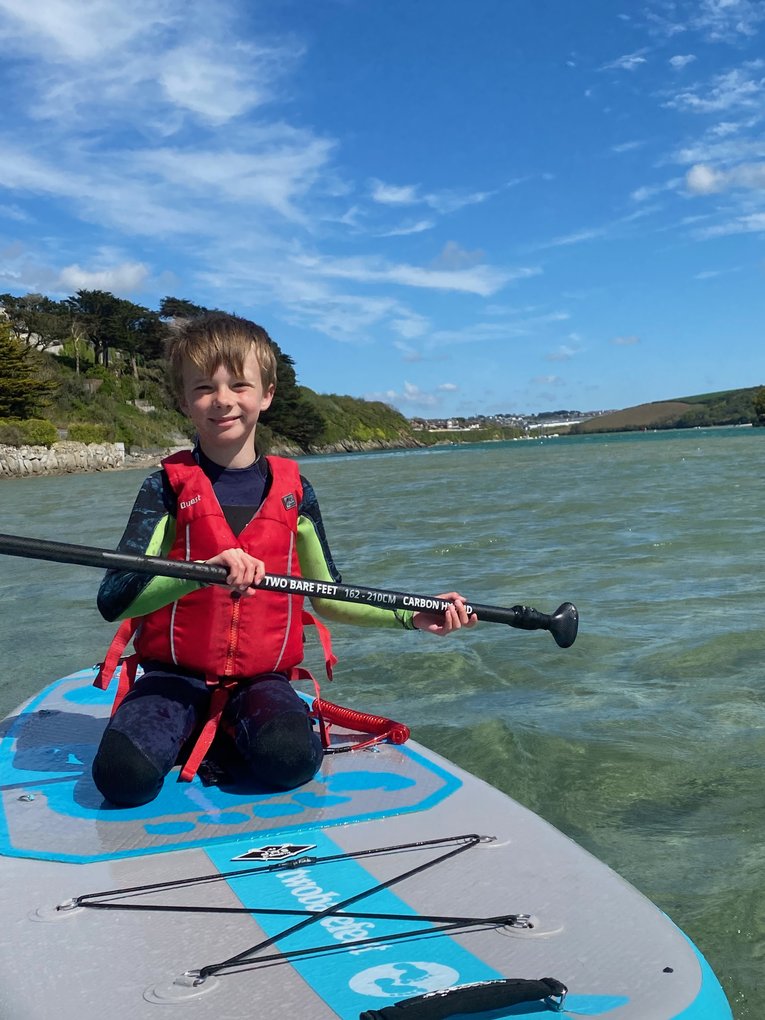
Credit: Sarah Edwards
Harry, who’s 11, said: "I would like to raise as much as we need to save the ocean. We need the ocean for so many things and we're destroying it." The sale of his cards will go a a long way in helping to protect and restore the marine environment – thank you, Harry!
Four stranded dolphins rescued on Orkney island
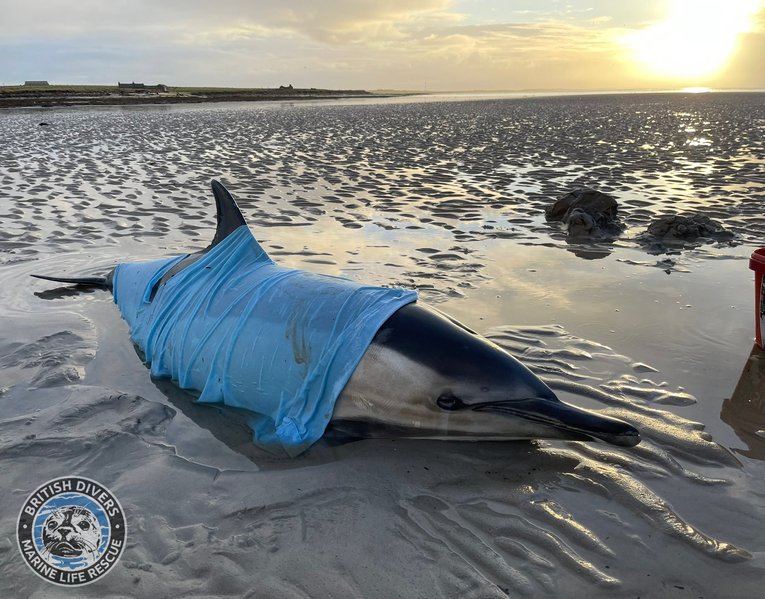
Credit: British Divers Marine Life Rescue (BDMLR)
British Divers Marine Life Rescue (BDMLR) saved four common dolphins after six became stranded on Westray, one of the Orkney islands.
Attempts were remade to refloat all six dolphins, which included two calves, but three seemed to have difficulties and remained close to the shore. One of them, however, managed to make its way further out and swim away.
Three days later, BDMLR also rescued a seal pup which was badly entangled in fishing gear. Most of the netting was removed at the scene, with the parts embedded in its neck removed later at the East Winch Wildlife Centre in Norfolk. There, the seal will be rehabilitated until it’s well enough to be released back into the wild.
Record number of manatees released back into Florida’s waters

Credit: National Oceanic and Atmospheric Administration
26 manatees have been released back into the wild last year following rehabilitation at ZooTampa, one of Florida’s main manatees rescue organisations.
It has rehabilitated 615 manatees since 1991, with 2025 marking the highest number of successful releases. The iconic species faces threats from boat collisions and habitat loss, with hundreds killed each year. ZooTampa’s rescue and release programme provides injured manatees with critical care and rehabilitation until they’re well enough to be returned to their natural habitat.
Later this year, it will unveil a new, state-of-the-art rescue facility in which visitors can see these life-saving efforts firsthand and observe these graceful marine mammals as they rehabilitate.
Excitement as Pi the whale identified as female

Credit: Craig Lambert Photography/Shutterstock
The humpback whale which has become a regular visitor the Isles of Scilly has been identified as female, thanks to ‘one in a million’ images captured by a local wildlife watcher.
Pi, so called because of a pi-shaped scar on her fin, has visited the Isles every year since 2020, making her the most reliably recurrent humpback whale in the UK.
The photo, which was taken just as Pi was flipping on her back, allowed local and global cetacean experts to confirm that the whale is female. This has led to excitement at the possibility that she’s of breeding age – she’s thought to be at least seven or eight years old.
Although humpback sightings around the UK have become increasingly common in recent years as populations rebound following bans on commercial whaling, they still face threats such as fishing gear entanglement, ship collisions and the impacts of climate change.
News that Pi is female and potentially of breeding age has offered some hope that there may be mini Pis visiting our shores in the near future.