

The UK Government PFAS Plan on ‘forever chemicals’ explained
The publication of the long-awaited PFAS Plan published by the UK Government demonstrates the impact of the work that we have been a leading NGO voice on.
What is the 'PFAS Plan'?
The PFAS Plan sets out how the UK Government intends to deal with the growing problem of harmful per- and polyfluoroalkyl substances (PFAS), also known as ‘forever chemicals’, as they last for so long in the environment.
It’s split into three sections;
- Understanding PFAS sources
- Tackling PFAS pathways and
- Reducing ongoing exposure to PFAS
Each section has several actions associated with it, with 49 different actions in total, including everything from a new statutory limit for PFAS in drinking water, further monitoring of PFAS in water, sediment, fish and invertebrates, and reducing contamination through sewage sludge, all of which we have called for in our work on the water sector reform.

Credit: Shutterstock
What we’re pleased about in the Plan
Our definitition of PFAS
We’re encouraged that this PFAS Plan uses our preferred, broader, definition of PFAS, ensuring there can be no confusion about which chemicals it covers. This is something we have advocated hard for since 2023.
We believe a grouping approach to PFAS should be used, and using narrow definitions to miss out certain PFAS is unhelpful.
Acknowledgement of the ocean
It’s reassuring to see the seas and marine environment mentioned throughout. So often, the ocean is forgotten. We know PFAS are found in everything from plankton to polar bears and they have been linked to chronic impacts in so many marine species.
Our work over the years has continually highlighted the issues of PFAS in the ocean, through our letters to Ministers calling for better protections, to our joint NGO PFAS proposals, or our published research with the University of Portsmouth, showing links between sewage discharges and PFAS in the surrounding water.

Marine Conservation and ChemTrust campaigning against forever chemicals
Credit: Marine Conservation Society
Impact on wildlife
Our work with Watershed Investigations highlighted the species that we know are affected by PFAS around the UK. These species; harbour porpoises, otters, buzzards and foxes, were all mentioned in the Plan as being known to be contaminated with PFAS.
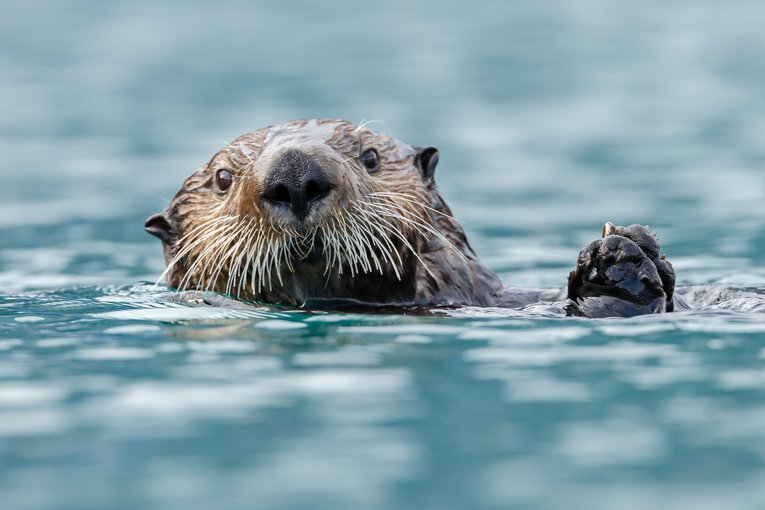
80% of otters were found to have at least 12 different types of PFAS in their livers between 2014 to 2019
Credit: Menno Schaefer/Shutterstock
We need more action!
We fully support Minister Hardy’s analysis that “acting now is essential to prevent irreversible harm and to ensure that our regulatory framework keep pace with scientific evidence”.
This is why we want a universal PFAS restriction - being precautionary with all forever chemicals is the only way to ensure true protection for the sea, wider environment and humans.
In the Plan, there are a lot of actions centred around further research and monitoring of PFAS. This is important, we need more evidence on the spread and impact of PFAS. It is essential that this speeds up and enables action, rather than standing in its way.
We’re happy to see that PFAS in consumer products are going to be considered for a restriction, but restrictions can’t end there, we urgently need the UK Government to take steps towards a universal PFAS restriction.
Restricting their use must be a priority for the UK Government - every day of delay leads to further harm across the entire ecosystem that both nature and people depend on.
Dr Francesca Ginley, Policy & Advocacy Manager
What’s next?
The UK Government has left the door open for the PFAS Plan to be used as a platform for future development of actions and initiatives. So while we are happy that a start has been made, we need to go further and faster and will not stop shouting about PFAS until we have secured a universal restriction to truly protect marine life from the threat of ‘forever chemicals.’