

Good Fish Guide update shows some UK seafood staples under pressure
We've updated our Good Fish Guide in line with the latest scientific advice. The latest ratings show growing pressure on some of the nation’s most familiar seafood choices, including cod and scampi.
The Good Fish Guide has multiple traffic light ratings for each species, depending on where and how it is caught or farmed. Some ratings for both cod and langoustine (often marketed as scampi when trawled), have declined, highlighting growing sustainability concerns for local stocks.
Several UK cod populations have been in decline since 2015, due to overfishing, climate-driven changes in sea temperatures, and ecosystem pressures that affect breeding and juvenile survival. The latest update to the Good Fish Guide sees stocks from north of the UK move further down the sustainability scale - leaving no recommended choices for UK-caught cod. Better-managed fisheries, such as those in Iceland, remain a more sustainable option.
Rigorously researched ratings
Every Good Fish Guide rating is carefully researched to help you choose sustainable seafood. Get started by searching for your favourite seafood.
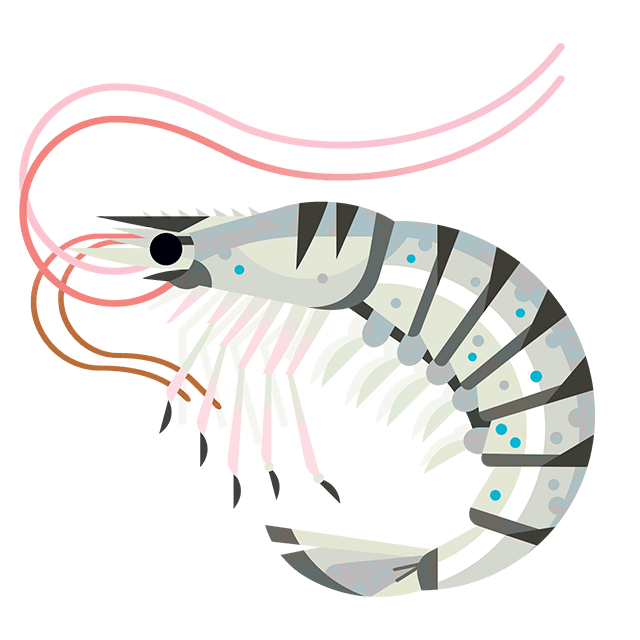
Some of the updated Good Fish Guide ratings for langoustine (scampi), have been downgraded because fishing levels have been above scientifically recommended amounts in recent years, and populations are declining.
The sustainability of langoustine has always varied depending on how and where it is caught – with better choices being caught by pot or creel, rather than trawled. The only three green-rated options for the species are those caught by pot or creel in North Minch, South Minch and Skagerrak and Kattegat.
As an alternative to langoustine, the Good Fish Guide has added a new rating for UK farmed king prawns, thanks to a new commercially available option in Scotland. Farmed in a completely closed system, these prawns have a much lower environmental impact.

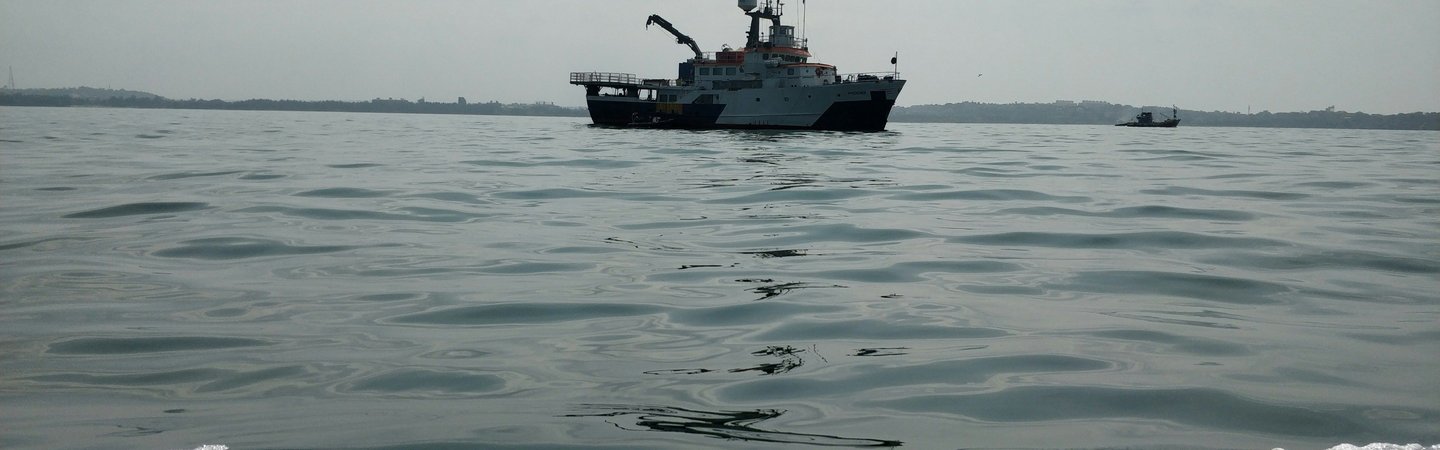
Credit: Jude Mack
The Good Fish Guide recommends some well-managed UK options such as seabass from the North Sea, English Channel and Celtic Sea, or plaice from the North Sea, as well as some UK farmed seafood like blue mussels and freshwater trout, which offer more sustainable local alternatives.
We need strong action from the UK Government to support a transition to low-impact fisheries and sustainable seafood farming.
Chris Graham, Head of Sustainable Seafood and Ocean Regeneration
A proportion of ratings on the Good Fish Guide twice a year, depending on the latest scientific advice and we'll be next updating the Guide in October.